Here are some basic differences.
Light Spread
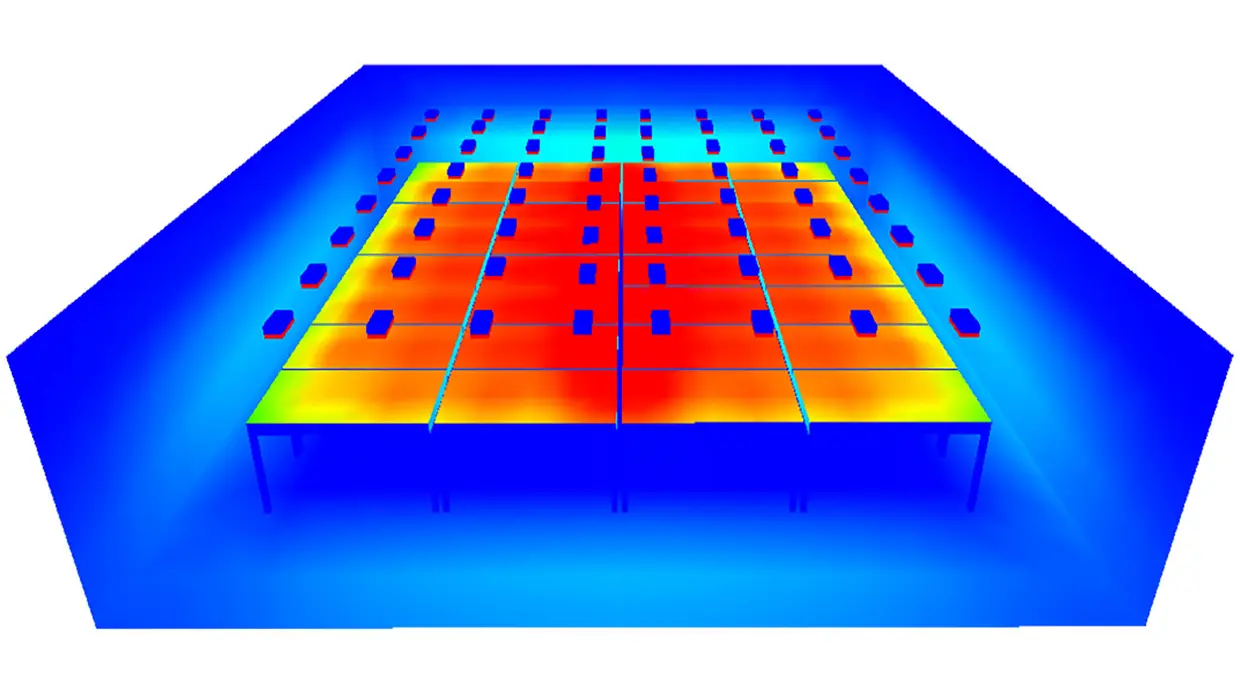
The way the light fills the coverage area is the first noticeable difference. A COB emits a concentrated beam of intense light, which then spreads outward from its source. As a result, the light has a longer distance to travel to reach the outer edges of the coverage area than the center.
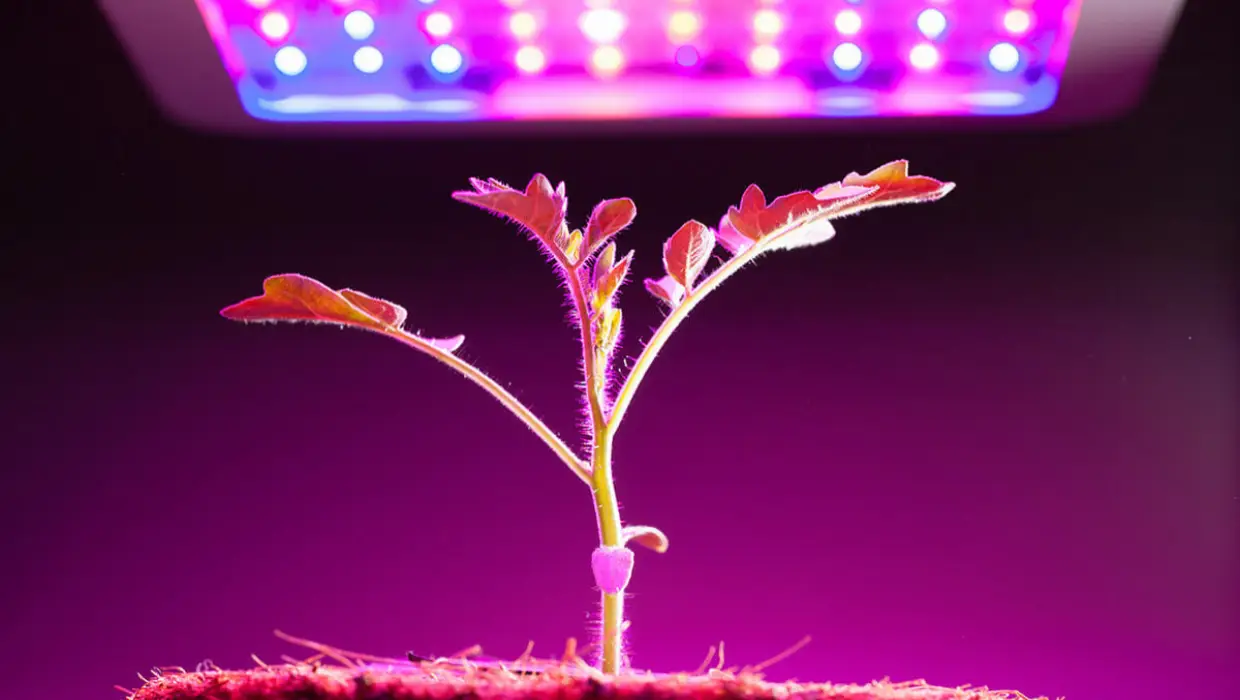
Quantum board LEDs are big and have diodes dispersed over the whole surface area. This implies the light travels more directly to the canopy over a wider region.
As a result, quantum boards have a far more uniform light distribution. The intensity of COBs is quite high in the center of the coverage area, but it decreases more quickly outside the center than a quantum board light.
Canopy Penetration
This represents the opposite of the preceding distinction. At least in the center of the coverage area, the COB’s bright light beam naturally penetrates deeper beneath the canopy. That penetration power significantly decreases outside. Although quantum boards also achieve excellent penetration, it is not as good as COB.
Heat Management
COBs naturally produce a lot of heat because they are such a powerful source of light due to the numerous tiny diodes packed into a small surface area. Heat sinks are sufficient to cool single COBs; fans are required for fixtures with numerous COBs.
All quantum boards have passive cooling. Usually, a straightforward aluminum board is used for this, but occasionally a heatsink is used. The total heat output of the fixtures is comparable to that of other LED fixtures, including COBs, however, because the diodes are dispersed, passive cooling suffices to prevent overheating.
MORE: