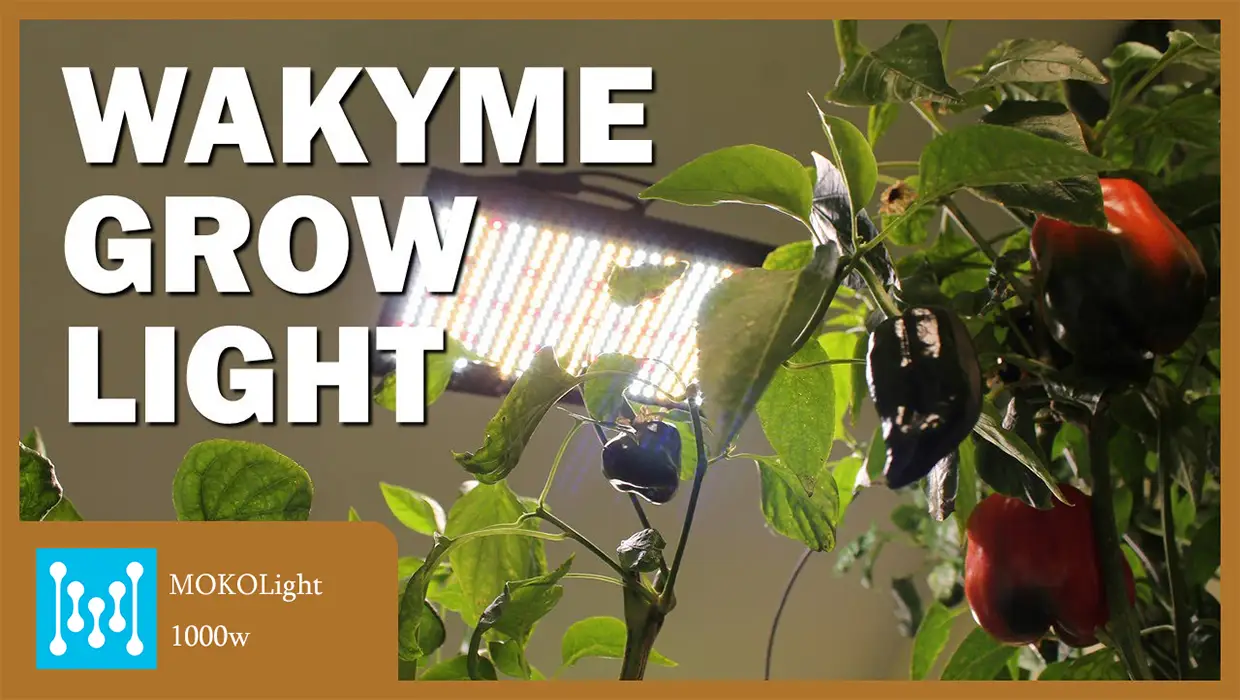
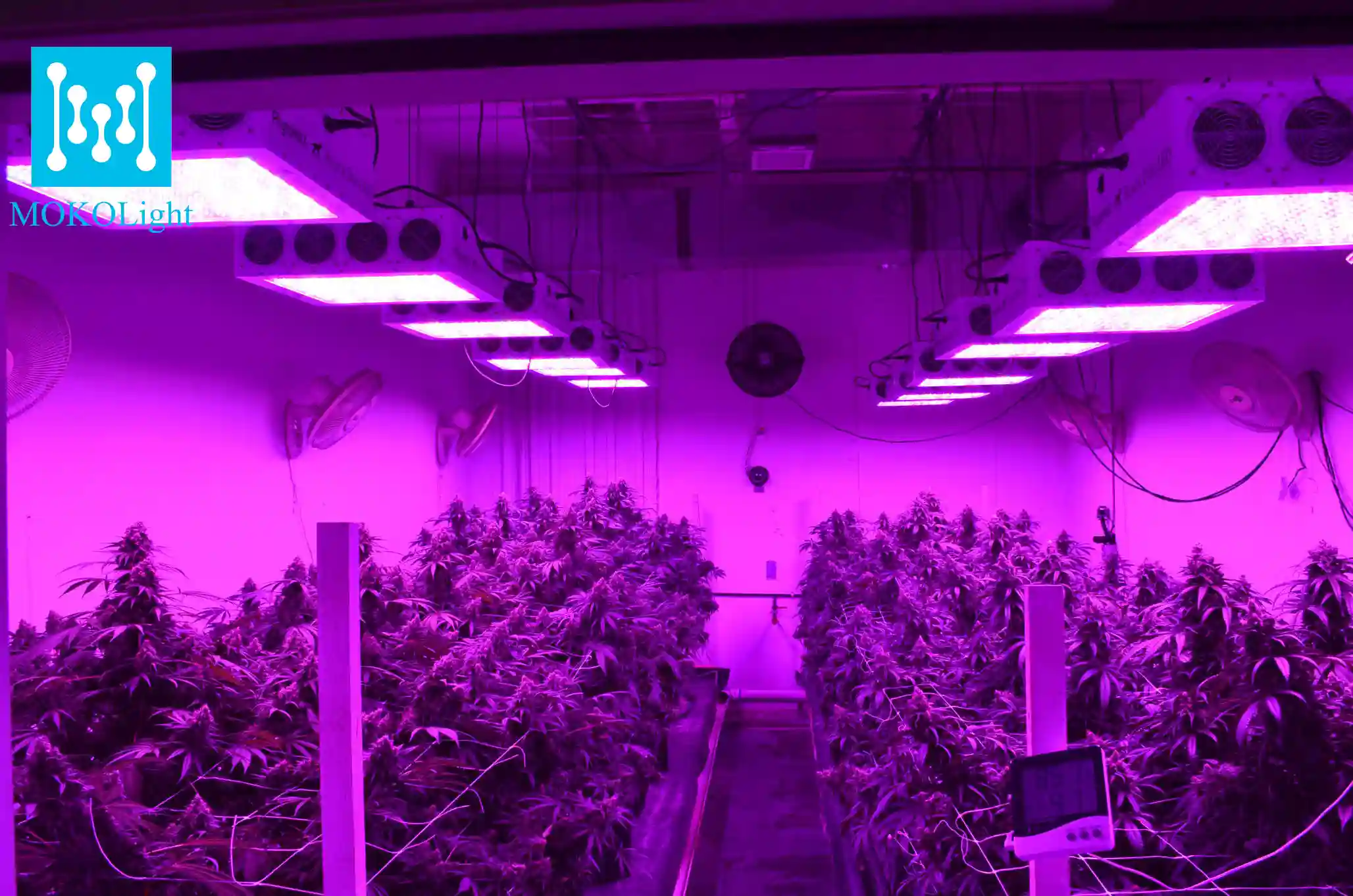
The normal LED lights in our homes are excellent for providing light. Echter, using them when cultivating plants is not recommended for the three reasons below.
Poor Light Spectrum
In het algemeen, indoor plants need rood en blauw licht to conduct photosynthesis. For the vegetative stage, blue light is necessary, whereas red light is needed for the flowering stage. LED grow light can provide these specific wavelengths of light through the variable spectrum.
Anderzijds, regular LEDs primarily emit groente and yellow wavelengths, which are hardly ever used by most indoor plants to produce energy.
Hurt Your Plants
Since plants do not utilize the majority of regular LEDs, the remaining portion is converted to heat, raising the temperature of the leaf surface.
Certain biological processes in plants can only take place at the ideal leaf surface temperature. The plant may experience stress and “light burn” if the temperature is too high. Stressed plants will eventually generate low-quality crops, which may make you want to give up on your indoor gardening endeavor.
Inefficient
Due to their lower price compared with LED grow lights, many consumers are eager to turn to normal LED lights. But despite their low price at first, they are not designed for indoor growing, so don’t be fooled by that.
They not only create a short-handed spectrum that eventually leads to an increase in the temperature of the leaf surface, but they also radiate more heat in the growing area, which is not good for plant growth.
Kort, utilizing regular LED lights to cultivate indoor plants may result in higher cooling system costs. Aanvullend, regular LED bulbs cannot match the levensduur of LED grow lights, therefore indoor plant growers who are tempted to buy cheap regular LEDs will have to end up replacing them.