La transición verde y la sostenibilidad energética son importantes preocupaciones en un mundo que enfrenta el aumento del cambio climático y la contaminación. En el pasado, Las luces de crecimiento eran voluminosas, decir, fluorescent tubes over a meter long, which required complex and costly setups of stands, cables, and reflectors. They were power-hungry, negatively impacting the environment and causing high energy bills. Además, their heat emissions posed safety risks and harmed the crops. Recientemente, luces LED have gained considerable attention for their environmental benefits, including reduced light pollution and greenhouse gas emissions.
Abajo, we will detail the environmental benefits of LED grow lights. If you are considering updating to LEDs, this blog will help you make a sound decision.
Have a Longer Lifespan

LED lights have a significantly longer average lifespan of 50,000 horas than conventional bulbs. This extended durability greatly reduces the frequency of bulb replacements, thereby decreasing the necessity to dispose of old bulbs in landfills.
Do Not Add Noise toh the Environment
LED lights stand out from other lighting technologies as they are specifically engineered to be vibration-free and emit no humming noise. De este modo, opting for LED light bulbs instead of traditional ones can contribute to little noise pollution in the environment.
Do Not Draw Insects and Bugs

The lighting may attract insects and bugs. This attraction is mainly due to the bulbs’ hot surface and the specific wavelength of light they emit. Sin embargo, LED lights lack both of these features, making them less attractive to insects and bugs. By making the switch to LED lights, you can effectively eliminate these annoying creatures and enhance the visual appeal of the outdoor environment.
Do Not Release Harmful Chemicals
LED lights do not have any harmful chemicals like mercury. En contraste, compact fluorescent lights typically have 4 a 5 milligrams of mercury in each bulb. Además, since LED bulbs do not contain any glass parts, there is no risk of serious injury in the event of a bulb breaking.
Reduce the Emission of Harmful Radiation
LED lights are considered a safer lighting choice compared with other types of lights due to their lack of harmful ultraviolet radiation emissions. This absence of UV radiation ensures human safety and prevents damage to sensitive materials over time.
Además, LED lights offer versatility in terms of color temperatures, including warm white and cool white options, catering to different lighting settings. This feature keeps the LED lights cool and reduces the risk of overburn.
Reduce Light Pollution
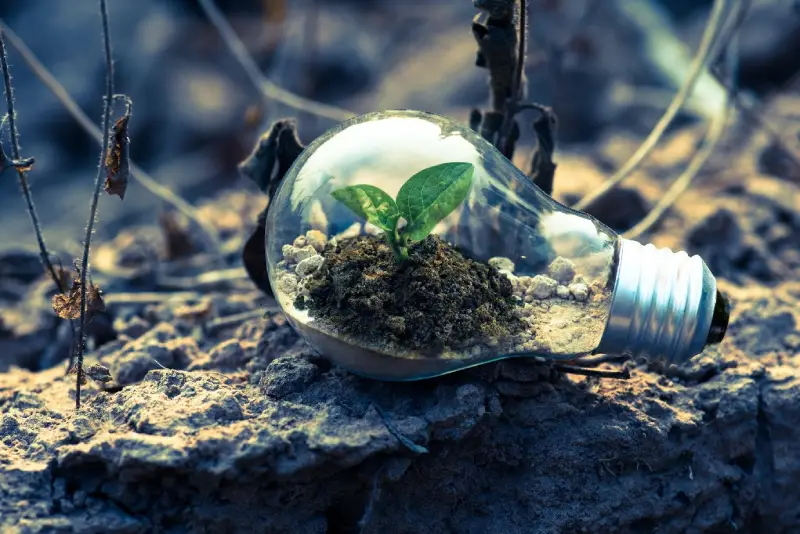
Light pollution is often underestimated, yet its impact on the environment can be harmful. It disrupts natural ecosystems and leads to unnecessary energy wastage.
LED grow lights do a good job of decreasing light pollution. Unlike HID bulbs that scatter light in all directions, LED fixtures concentrate light on specific areas. This focused lighting approach minimizes unwanted light in the environment, a problem commonly associated with HIDs.
Reduce doarbon Footprint
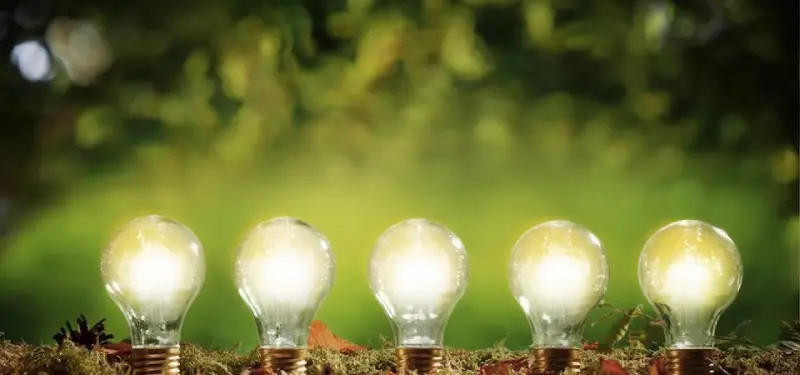
Carbon footprint is a comprehensive measure that encompasses the total greenhouse gas emissions from various sources, including individuals, communities, negocios, servicios, y productos. Greenhouse gas emissions are closely related to climate change, and they are often associated with other pollutants as well. LED lights have lower carbon dioxide emissions compared with other lighting options because they use less power to produce the same amount of light.
Switching to LED lights can have a profound impact on decreasing your overall carbon footprint. Though specific estimates may vary, a single LED fixture has the potential to cut greenhouse gas emissions by nearly half a ton over its lifetime.
Energía mideficiencia
The most economical and efficient approach to mitigating the adverse effects of our energy usage on the environment is to reduce our consumption of it.
LED grow lighting is exceptionally eficiente and can result in approximately 75% electricity savings compared with incandescent lights and 50% compared with CFLs. By consuming less energy, LED lights alleviate the burden on electric power plants, leading to a reduction in the amount of fuel burned to generate electricity.
Emit Negligible Heat
LED lighting stands out as one of the most environmentally friendly options due to its remarkably high electricity-to-light conversion efficiency, reaching as high as 90% in many cases. This efficiency ensures minimal heat loss in the environment.
Benefit Plant Growth
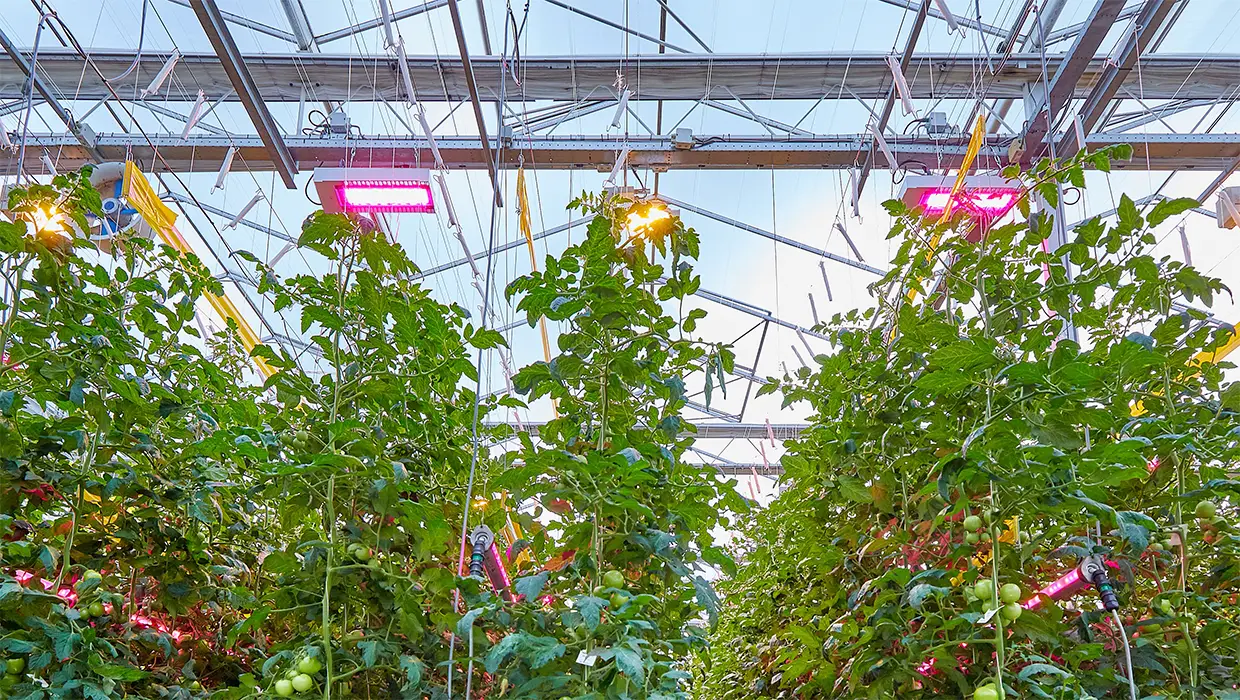
Studies have revealed that when plants are exposed to certain light wavelengths, especialmente luz roja y azul, the chlorophyll absorption is maximum. Traditional HPS lighting fails to optimize this process since a significant portion of its light output falls outside the ideal range of 400 to 500nm and 600 a 700 nm. En contraste, LED grow lights can be tailored to provide specific spectra that match these peak absorption ranges for better crecimiento de las plantas.
Increase Food Production

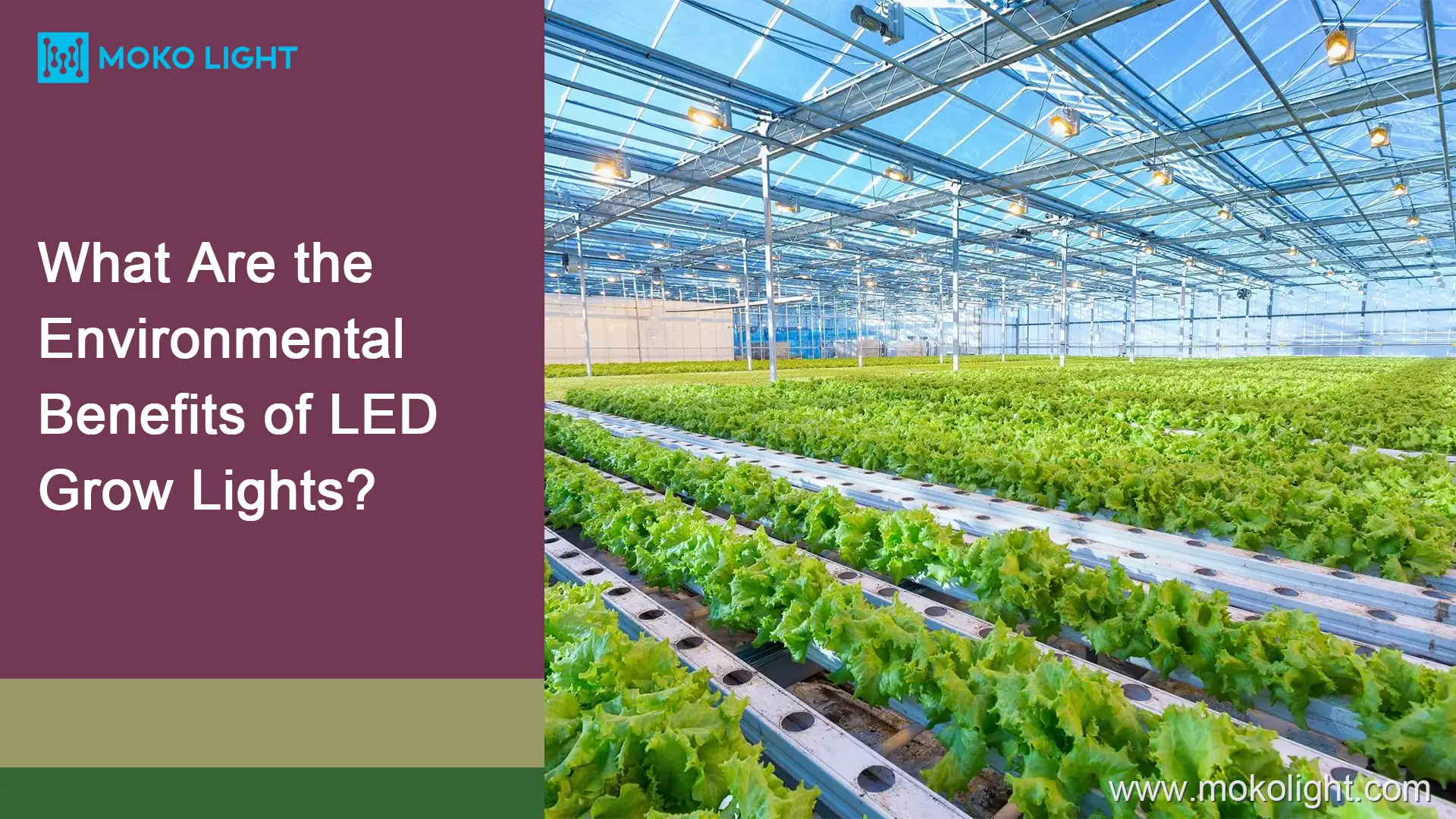
The increasing world population demands more food. Sin embargo, the diminishing fertile land, combined with pollution, erosion, soil degradation, invasive species, enfermedades, and unpredictable weather affects the food supply. LED technology offers a promising solution to this significant and wide-reaching problem. Indoor farming under LED grow lights can provide a consistent source of fresh vegetables and greens throughout the year. By utilizing large-scale indoor farms, we can replace thousands of acres of land, optimizing land use.
Además, LED grow systems grant better control over crop health and development by maintaining constant environmental conditions, such as humidity, temperatura, and light exposure, reducing plant stress. The controlled indoor environment also allows for effective pest and disease prevention, resulting in a considerable decrease in pesticide usage.
Conclusión
En conclusión, LED lighting offers substantial environmental benefits, including but not limited to energy efficiency, reduced carbon footprints, and increased food production, making it a key driver toward a more sustainable and eco-friendly future. While the upfront cost for LED lights may be a drawback, the long-term savings for most growers outweigh this cost.
Opting for LED grow lights from reputable brands like MokoLight allows individuals to contribute to sustainability in indoor gardening. If you have any inquiries about transitioning to LED lighting, feel free to contáctanos, and we’ll be glad to assist you.